


OUR SERVICES
Cooperation Process

Discuss the positioning of the client’s store and specific product requirements.
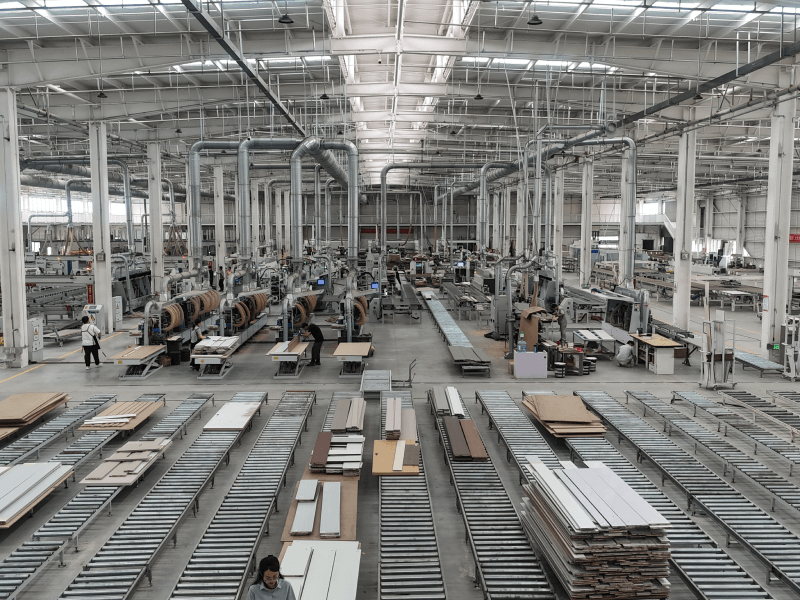
- Present real-life factory photos, production line videos, qualification reports, case studies from over 50 countries, and examples of partnerships with local distributors in the same region;
- Highlight the “source factory” model (no middlemen) and support for store-specific customization (logos, color schemes, packaging markings).

- Provide tiered pricing based on order volume: retail pricing for small batches, wholesale pricing for bulk orders, and special rates for large-scale projects.
- Outline FOB port details, packaging standards, payment terms, lead times, and value-added services (design, installation drawings, marketing materials).
- Produce free sample sets—including door leaves, frames, casings, and hardware—according to client specifications; offer customization for store-exclusive colors, finishes, and engraved logos.
- Use reinforced wooden crate packaging for export; include product brochures, color swatches, hardware samples, and installation manuals; shipping costs are borne by the client.

Agree on regional exclusivity, minimum order quantities (MOQ), price tiers, payment terms (50% deposit, balance due upon receipt of Bill of Lading copy), lead times, and after-sales service standards.

Detail order specifications, material standards, packaging requirements, container type, port of shipment, and compensation clauses; the order enters the production schedule upon the client signing back the contract and paying the deposit.

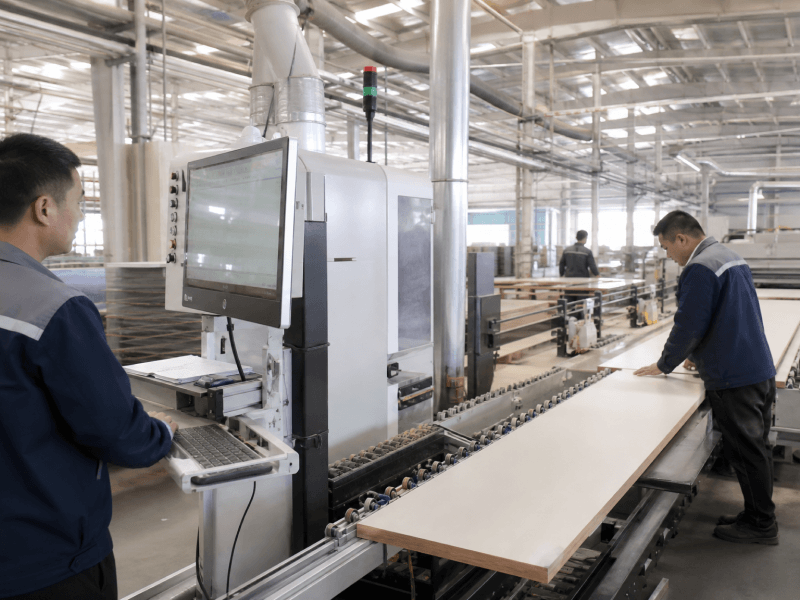
Utilize processes such as CNC cutting, automatic edge banding, constant-temperature drying, and sound-dampening core filling; ensure every wooden door is traceable and inspectable.
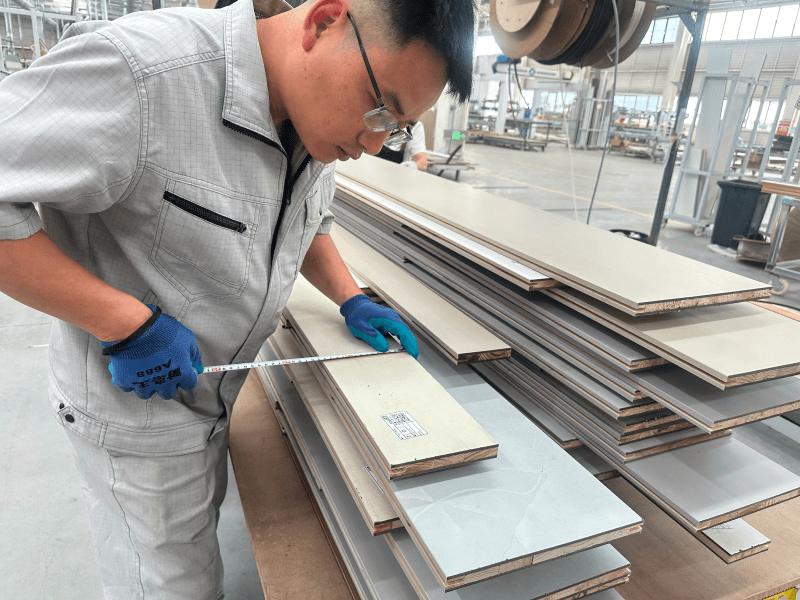
Conduct 100% visual inspection of finished products (checking for scratches, dents, or warping) and verify sound insulation, dimensions, lock-hole precision, and frame fit; proceed to packaging only after passing spot checks; rework any non-compliant items.
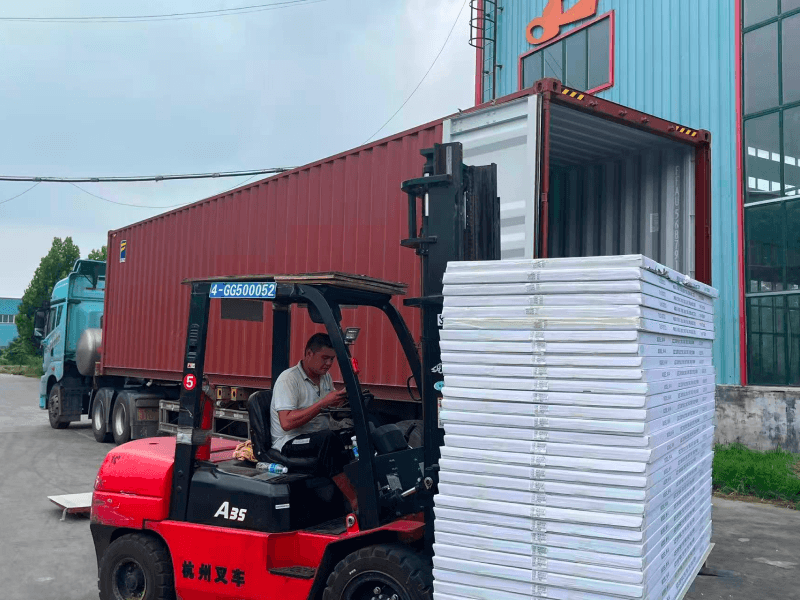
Inspect empty container → load in layers → secure cargo → seal container; document the entire process with photos and continuous video (capturing container numbers, seal numbers, and panoramic views of the loaded cargo); share documentation with the client or freight forwarder.

Provide the packing list, invoice, certificate of origin, and any required local customs clearance certifications; coordinate with the freight forwarder to complete customs declaration; and send a copy of the bill of lading to the customer to collect the final payment.